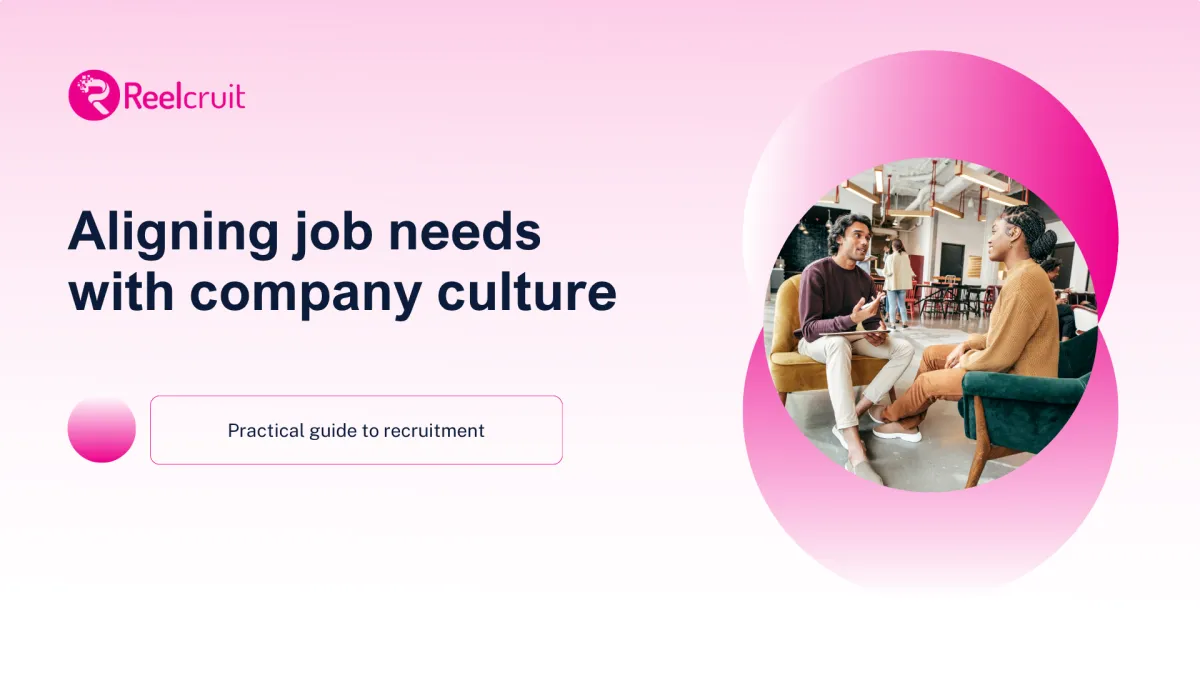
Beyond resumes: how to discover the person behind the skills
In today’s hiring landscape, too many companies rely almost exclusively on resumes and job descriptions to make decisions. Those documents do tell you what candidates have done, but they rarely tell you who candidates are. And when hiring decisions are based only on history and qualifications on paper, organizations miss out on a critical part of success: understanding the person behind the skills.
Hiring is not just about ticking boxes. It is about finding people whose values, work style, motivations, and interpersonal strengths will help them thrive in their role and contribute to your business over the long term. When companies take the time to look beyond a resume, they unlock the potential to build stronger teams and create better outcomes for both the employee and the business.
Why traditional methods fall short
For decades, traditional recruitment focused on formal credentials like degrees, years of experience, and job titles. In many cases, this approach worked reasonably well when job functions were narrowly defined and the pace of change was slow. But in modern workplaces where collaboration, adaptability, and culture matter just as much as technical skills, a resume alone does not give a complete picture.
Research shows that nearly two thirds of employers are now using skills-based hiring practices to evaluate candidates — placing much greater emphasis on what people can do over where they went to school or how long they have worked in a particular field. This shift helps hiring teams focus on competencies and real abilities, rather than relying solely on historical data in a resume.
While skills-based hiring is an important step forward, even this approach doesn’t answer every question. Skills can tell you what someone is capable of doing; they don’t always tell you how that person works, why they want the job, or whether they will fit into your team’s culture. To assess those aspects, you need a more holistic approach.
Cultural fit matters, but must be defined wisely
A growing body of research highlights the importance of cultural fit in the workplace. Employees whose values align with their company’s culture tend to report higher job satisfaction, greater engagement, and stronger performance. Hiring for cultural fit can also reduce turnover — one study indicates that 73% of employees who left job roles cited poor cultural fit as a reason for leaving.
That said, it is important not to misuse the concept of cultural fit. When poorly defined, it can unintentionally become a way to hire people who look like existing team members rather than genuinely share desired values. The most effective approach is to base cultural fit on clearly articulated values and behaviors that support team success, not on subjective impressions of similarity.
The human side of evaluation
So how do successful companies evaluate the person behind the skills? Here are a few practical strategies:
1. structured conversations instead of generic interviews
Standard interview questions like “Tell me about yourself” or “Why should we hire you?” tend to elicit rehearsed answers. Better questions invite candidates to share real experiences: times they navigated conflict, led a team, or adapted to change. These stories reveal how they think, communicate, and behave in real situations.
2. situational and behavioral assessments
Scenarios that simulate actual job challenges help hiring teams see how candidates think on their feet and solve problems. These exercises go beyond resumes and give candidates a chance to demonstrate their approach, judgment, and soft skills.
3. peer and team involvement
When candidates meet more than just a hiring manager — for example, future teammates or cross-functional partners — you get a fuller view of how they might interact with different personalities and work styles. This reflects the reality of collaborative workplaces much better than one-on-one interviews.
4. alignment on values and motivations
Taking time to explore what drives a candidate — whether that’s learning opportunities, collaboration, autonomy, or purpose — helps you assess fit beyond skills. A candidate who resonates with your company’s mission and values is more likely to contribute meaningfully and stay longer.
Technology that supports a human process
Modern recruitment technology should support all of the above, not replace it. Tools that focus on matching candidates based on skills, preferences, and working style can reduce administrative burden and highlight candidates who are worth deeper human conversations. But technology by itself cannot replace empathy, curiosity, and judgment — the elements that make recruitment truly human. When you pair human insight with smart systems, you create a hiring process that is both efficient and respectful of people.
If you want to learn how to transform your hiring process and save time and money while building teams that truly fit your company, book a free consultation with us. We will walk you through a smarter, more human approach to recruitment.


